


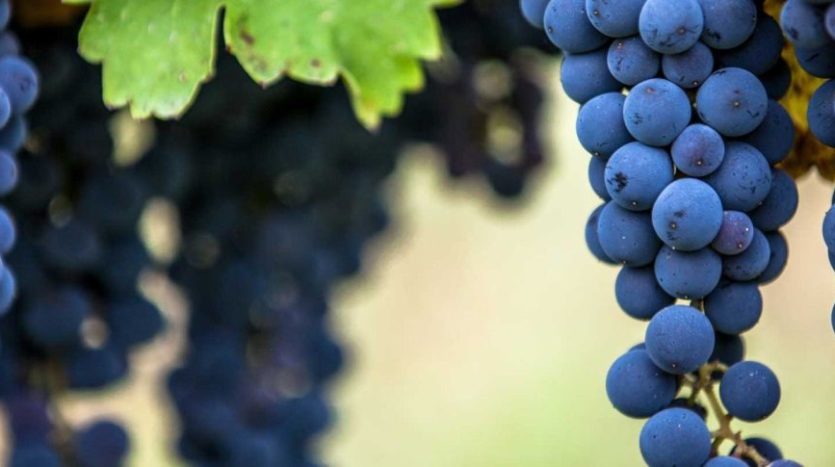
The vine and the production of wine have been present in the Langhe and Monferrato since Roman times and were praised for their quality by Pliny the Elder.
In the 1800s, count Camillo Benso di Cavour created the first regulations governing the cultivation of vineyards and it was in this area that disciplinary regulations for high-quality wines were first developed, laying the foundations for what we now know as the DOC and DOCG marks, and the prestigious CRU vineyards were given recognition. Nowadays the names of these vineyards are so famous that when you hear CANNUBI or BRUNATE, you automatically think… Excellent Barolo!
The Barolo and Barbaresco Territory: A Unique Landscape in the World
The Langhe is a territory where winegrowing represents not only an agricultural activity, but also a fundamental part of local history, culture and identity. Vine-covered hills, historic villages, farmhouses and wineries tell the story of a centuries-old relationship between people and the landscape.
In 2014, the vineyard landscapes of Langhe-Roero and Monferrato were recognised as a UNESCO World Heritage Site, thanks to their cultural value and their extraordinary testimony to the development of winegrowing in Piedmont.
The recognition includes several wine-producing areas, including the Langa del Barolo and the hills of Barbaresco. These are territories where wine production has helped shape the landscape and the development of local communities.
For further information, visit the official UNESCO website.
Nebbiolo: The Signature Grape Variety of the Langhe
Nebbiolo is one of the most representative grape varieties of Piedmont and is the foundation of the renowned Barolo and Barbaresco wines.
Its cultivation is closely linked to the characteristics of the territory: vineyard exposure, altitude, soil composition and climatic conditions all contribute to determining the characteristics of the grapes and the wines produced.
Nebbiolo is a grape variety that requires experience and care throughout the entire production cycle. Its presence in the Langhe is part of a winemaking tradition that has developed over centuries through the work of generations of winegrowers.
The result is a wine production in which every hill, vineyard and winery can express its own identity while maintaining a strong connection with its place of origin.
Barolo and Barbaresco: Two Great Expressions of the Territory
Barolo and Barbaresco are wines made from Nebbiolo grapes and represent two of Piedmont's best-known designations of origin.
Although they share the same grape variety, the two wines are associated with specific territories and production traditions, defined by their respective production regulations.
Barolo DOCG is produced in an area of the Langhe that includes municipalities such as Barolo, La Morra, Monforte d'Alba, Serralunga d'Alba and Castiglione Falletto, together with other territories covered by the regulations.
Barbaresco DOCG, on the other hand, originates in the hills around Barbaresco, Neive, Treiso and San Rocco Seno d'Elvio, a hamlet of Alba.
The differences between the two designations include, among other aspects, their production areas, ageing requirements and the characteristics defined by their respective regulations.
For official information about the designations and production requirements, visit the Consortium for the Protection of Barolo Barbaresco Alba Langhe and Dogliani.
The Langhe's Cru Vineyards: When the Name of the Vineyard Identifies the Wine
One of the most fascinating aspects of winemaking in the Langhe is the importance attributed to individual vineyards, often known by historic names passed down through generations.
Names such as Cannubi, Brunate, Cerequio, Monprivato and Rocche dell'Annunziata refer to some of the best-known geographical mentions within the Barolo territory.
The concept of a cru is connected to the recognition of the specific characteristics of a particular production area. Soil, exposure, vineyard position and winemaking traditions all contribute to creating differences between wines produced within the same designation.
Visiting these areas therefore means discovering not only a wine, but also the history of the places where it is produced.
Living in the Langhe Among Vineyards, Villages and Wineries
For those wishing to move to Piedmont, the Langhe offers an environment where everyday life is closely connected to the landscape and local traditions.
Small villages, panoramic roads, restaurants, wineries and agricultural businesses are an important part of the experience of living in this area.
Alba, Barolo, La Morra, Monforte d'Alba, Neive and Barbaresco are some of the places where visitors can discover wine culture and explore the distinctive characteristics of the Langhe hills.
The proximity to services, shops and road connections can be an important factor when choosing a country house. At the same time, the property's location, views over the vineyards, agricultural land and architectural features can all contribute to the experience of living in this landscape.
Buying a Country House in the Wine Country of the Langhe
The Barolo and Barbaresco area attracts visitors, wine enthusiasts and people interested in establishing a new home in Piedmont every year.
Buying a property in the Langhe can serve different purposes: a permanent residence, a holiday home or a hospitality project, always subject to the applicable zoning regulations, authorisations and legal requirements.
Traditional farmhouses, rural properties and homes with land can offer very different characteristics. Before proceeding with a purchase, it is important to assess the property's planning and cadastral status, technical aspects, location and potential uses.
LANGHE REAL ESTATE assists those wishing to explore the property market in the Langhe and Monferrato, with particular attention to country houses, prestigious properties and homes set within Piedmont's wine-growing landscape.
Discover the properties for sale in the Langhe and Monferrato and contact us to tell us about your requirements.